The internet has gone through several phases of development, and two of the most significant stages are Web 2.0 and Web 3.0. In this article, we will explore the differences between Web 2.0 and Web 3.0, with examples. Web 2.0: Web 2.0 refers to the second generation of the internet, which emphasized user-generated content and …

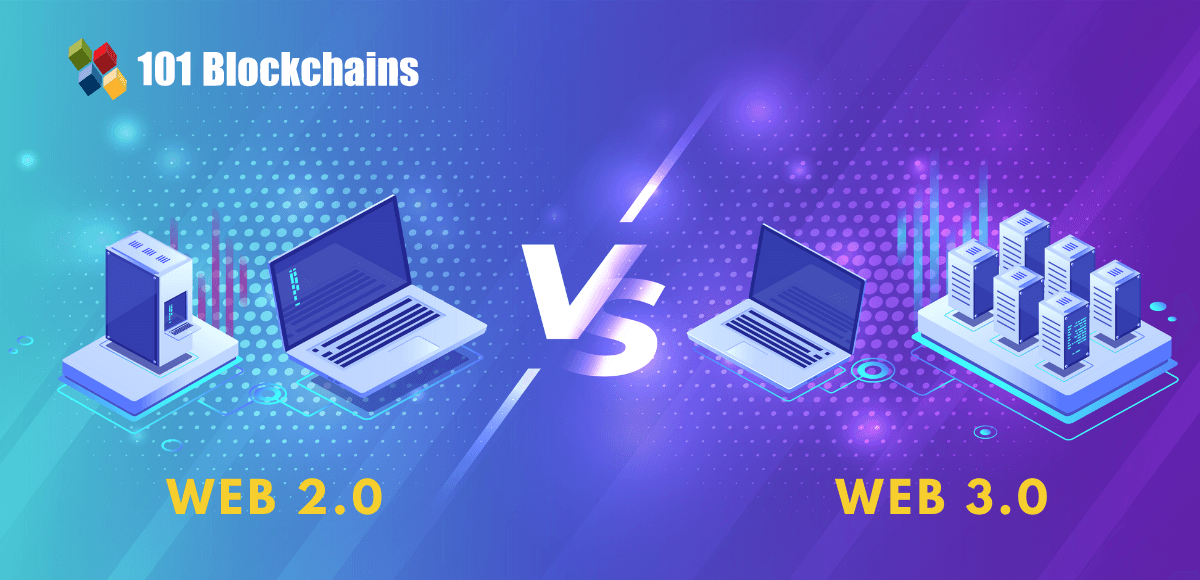
The internet has gone through several phases of development, and two of the most significant stages are Web 2.0 and Web 3.0. In this article, we will explore the differences between Web 2.0 and Web 3.0, with examples.
Web 2.0:
Web 2.0 refers to the second generation of the internet, which emphasized user-generated content and social interaction. Websites became more dynamic and interactive, and users could easily contribute their content.
Example: Social media platforms like Facebook, Twitter, and Instagram are examples of Web 2.0. These platforms allow users to create and share their content and connect with others.
Web 3.0:
Web 3.0 is the next stage of internet development, often referred to as the “Semantic Web.” It aims to create a more intelligent and personalized web that can understand and interpret the meaning of data.
Example: Blockchain technology is one of the key components of Web 3.0, enabling decentralized and secure data storage and transfer. Virtual and augmented reality technologies are also part of the Web 3.0 experience, creating immersive and interactive experiences for users.
Data Management:
Web 2.0 was characterized by the explosion of user-generated content, resulting in the need for better data management tools. Web 3.0 focuses on organizing and interpreting data through machine learning and artificial intelligence.
Example: Web 3.0 platforms can use machine learning algorithms to analyze large datasets and provide personalized recommendations to users.
Decentralization:
Web 3.0 emphasizes decentralization, aiming to create a more democratic and open internet. Decentralized systems reduce the power of central authorities and enable greater user control.
Example: Cryptocurrencies like Bitcoin and Ethereum are examples of decentralized systems that operate on a peer-to-peer network without the need for intermediaries.
Conclusion:
Web 2.0 and Web 3.0 are two distinct stages in the evolution of the internet, with Web 3.0 aiming to create a more intelligent, decentralized, and personalized web. While Web 2.0 focused on user-generated content and social interaction, Web 3.0 emphasizes data management, decentralization, and artificial intelligence. Both stages have had a profound impact on the way we communicate, consume and share information, and interact with technology.